What the Workstation Benchmarks Actually Proved: Allocation Is Not Capacity
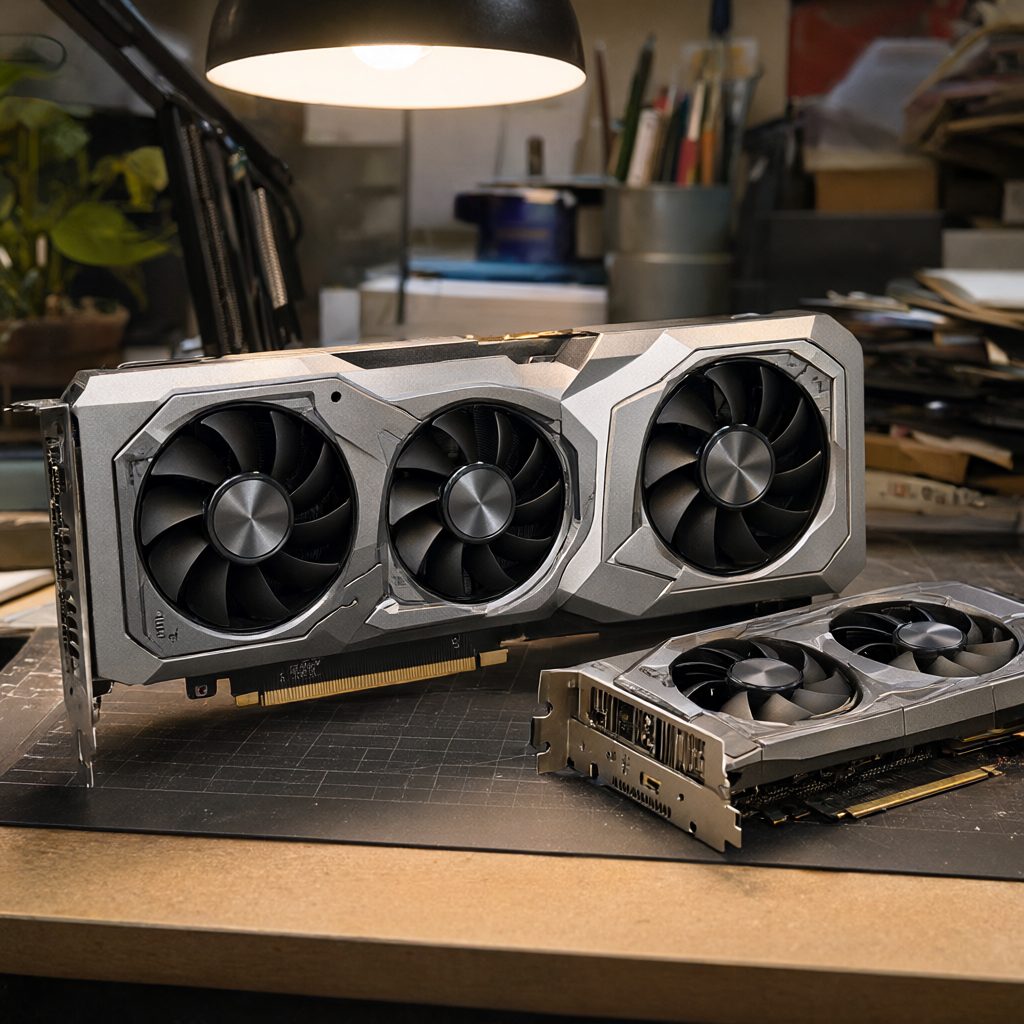
The workstation changed what was possible. Its card carried 24 GB of VRAM, alongside a 12 core processor and 64 GB of system memory. By August 16 the Mac was being used to reach the workstation over SSH and the private network, and the local coding setup under discussion ran a 27 billion parameter model in a quantized build: Qwen3.8 27B at Q4_K_M quantization, served by Ollama on the workstation itself.
The following morning's recovered benchmark report compared several configured context allocations. The numbers looked encouraging, and they were, within limits the report itself states.
The August 17 allocation probes, as reported
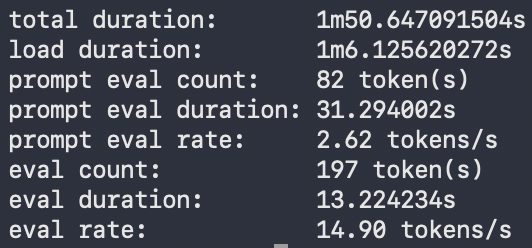
- Configured context 65,536 tokens: 14.90 tokens per second, about 20.1 GB of VRAM.
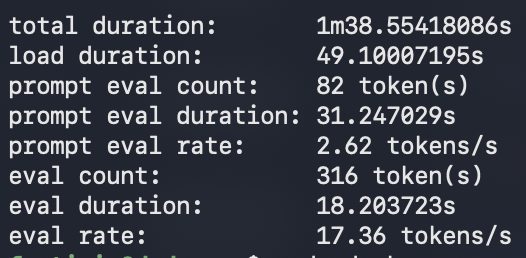
- Configured context 98,304 tokens: 17.36 tokens per second, about 21.2 GB of VRAM.
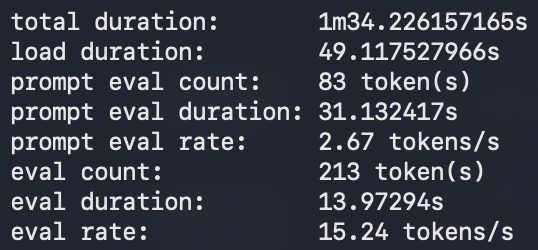
- Configured context 131,072 tokens: 15.24 tokens per second, about 22.3 GB of VRAM.
- Configuration: quantized KV cache and Flash Attention. Prompt length in the tests: about 82 to 83 tokens.
That last line is the essential qualification. The tests used prompts of only about 82 tokens. The context setting allocated capacity. It did not mean the benchmark filled that capacity with a realistic repository, conversation, and tool history. The larger context VRAM figures were characterized as estimates in the recovered discussion. These rows belong in the record as reported allocation probes, not as validated long context coding benchmarks.
A short response can demonstrate that a configuration starts and generates. It does not tell us how long a full prompt takes to ingest, whether the model can recover a requirement from earlier in the task, or whether compaction will preserve the right details after hours of work. The later debugging export makes the distinction concrete: it contains 165 messages and aggregate metadata of 4,986,934 input tokens and 191,790 output tokens. Those are cumulative session accounting fields across repeated calls, not a single context window and not an invoice.
By August 31, Will described the 27B model as too slow and practically difficult for complex tasks. That experience does not invalidate the earlier probes. It tells us the workload had changed, from a small generation test to an agent carrying a large operational context. The workstation gave the project more capacity. The benchmarks helped locate its boundaries. Real use was still needed to discover which tasks fit those boundaries well.
Posted at the time
Running Qwen3.8-27B locally on a 24GB RTX 3090 🐉 • Q4_K_M weights • q8_0 KV cache • Flash Attention • 100% GPU residency • Single-request execution • Keep-alive • 64K → 14.90 tok/s ~20.1GB VRAM • 96K → 17.36 tok/s ~21.2GB VRAM • 128K → 15.24 tok/s ~22.3GB VRAM
Written later, from the August 16 and 17, 2026 records in Will's engineering journal. The card's purchase terms are Will's later recollection, and the record does not establish a purchase date.
Ness 🐉